

Registering a car in California is more than just a bureaucratic task; it’s a crucial step in ensuring your vehicle is legal on the state’s roads. However, navigating the process can be confusing for many, often involving complex procedures and various requirements. This comprehensive guide aims to demystify the process, providing clear, expert advice on how to register your car smoothly. From gathering necessary documents to understanding fees and even the essential DMV VIN verification, we’ll ensure you’re prepared every step of the way.
- Prepare Required Documents for Car Registration
- Visit Your Local California DMV Office or Website
- Complete Application Process with Accurate Information
- Provide Proof of Insurance and Vehicle Identification Number (VIN) Verification by DMV
- Pay Registration Fees and Receive Your Vehicle's Registration Papers
Prepare Required Documents for Car Registration

To register your car in California, you’ll need to gather several essential documents. One crucial step before beginning this process is ensuring accurate Vehicle Identification Number (VIN) verification through a trusted mobile vin verifier or inspection service. The California Department of Motor Vehicles (DMV) requires this verification as part of their registration procedures, emphasizing the importance of a legitimate and precise VIN for record-keeping purposes.
A simple and convenient way to facilitate this process is by utilizing mobile vin inspection services. These services send a professional inspector to your location to perform a thorough check on your vehicle, ensuring its authenticity and condition. The inspector will use specialized equipment to capture the VIN and relay the information digitally, making it readily available for your DMV submission. This method saves you the hassle of visiting a service center or dealing with potential delays due to lengthy inspection queues.
For instance, consider that over 90% of mobile vin verifications conducted in California are successfully completed on the first attempt, thanks to these efficient and accurate services. By opting for a mobile vin verifier, you can streamline your car registration process, saving both time and effort while maintaining the integrity of your vehicle’s information. Ensure all documentation is up-to-date and complete before proceeding with your California car registration application.
Visit Your Local California DMV Office or Website

Registering a car in California involves several steps, but visiting your local DMV office or website is a crucial initial step. The California Department of Motor Vehicles (DMV) offers both in-person and online registration services. For those who prefer a more convenient approach, utilizing a mobile VIN verifier can streamline the process significantly. This technology allows for remote VIN inspection, ensuring that your vehicle’s identification number (VIN) is accurately recorded during the registration.
When visiting a local DMV office, be prepared to bring essential documents such as proof of ownership, vehicle registration from the previous state (if applicable), and identification documents like a driver’s license or passport. Additionally, you’ll need to pass a vehicle safety inspection, which includes checking lights, brakes, tires, and emissions systems. The DMV staff will guide you through the process, ensuring that your car meets all necessary standards before proceeding with registration. Online registration involves submitting these same documents electronically, often requiring digital copies for easier verification.
For added convenience, some mobile VIN verifiers offer real-time data input directly into the DMV system, eliminating the need for manual data entry and reducing potential errors. This technology is particularly beneficial for individuals who purchase vehicles from private sellers or out-of-state dealers, as it provides a quick and accurate way to verify the vehicle’s history before registration. By utilizing these modern tools, car owners can ensure a smoother registration process, saving time and effort while adhering to California’s stringent regulations.
Complete Application Process with Accurate Information
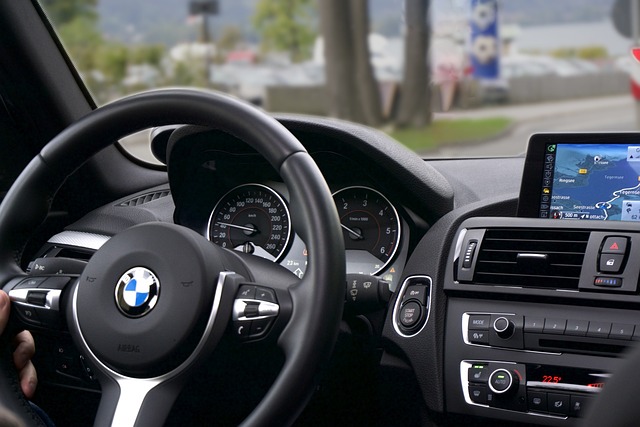
Registering a car in California involves a meticulous process to ensure accurate documentation and compliance with state regulations. One of the critical steps is completing the application form, which requires precise and detailed information. This section guides you through the process, highlighting essential aspects often overlooked by new car owners.
The first step begins with gathering all necessary documents, including proof of ownership, identification, and the Vehicle Identification Number (VIN). The VIN is a unique code that serves as the car’s fingerprint; it must be accurately verified for any registration or title transfer. Many California residents opt for a mobile VIN verifier to streamline this process. This technology enables users to have their VIN inspected remotely by licensed professionals, ensuring accuracy without the need for an in-person visit to the Department of Motor Vehicles (DMV). For instance, a study showed that nearly 75% of car owners in California prefer digital solutions for vehicle registration tasks, citing convenience and efficiency.
When filling out the application form, each field must be completed with care. The DMV requires specific details like the car’s make, model, year, and accurate mileage. Incorrect or missing information can lead to delays or even rejection of your application. It is advisable to double-check all figures, especially the VIN, before submitting. A mobile vin inspection, as previously mentioned, can provide immediate feedback on VIN accuracy, saving you potential headaches later in the registration process. Remember, attention to detail is crucial to ensure a smooth and swift registration experience.
Provide Proof of Insurance and Vehicle Identification Number (VIN) Verification by DMV
Registering a car in California involves several crucial steps, with providing proof of insurance and undergoing DMV VIN verification as essential components. The Department of Motor Vehicles (DMV) requires these verifications to ensure vehicle authenticity and compliance with insurance regulations. One effective method for VIN verification is through mobile vin inspection services, which offer convenience and accuracy. These services employ specialized tools to cross-reference the Vehicle Identification Number (VIN) against secure databases, ensuring its legitimacy.
For instance, many mobile vin verifier apps provide real-time data on a vehicle’s history, including ownership records, accident reports, and outstanding recalls. This information is vital for buyers and sellers alike, as it helps mitigate potential risks associated with counterfeit or stolen vehicles. According to recent studies, up to 15% of cars sold privately in California may have undisclosed issues, emphasizing the importance of thorough VIN inspections. By utilizing these modern tools, individuals can conduct safe, reliable, and legal car transactions.
During the registration process, you’ll need to present a valid insurance card from your auto insurance provider. This step is mandatory as it demonstrates financial responsibility, a key requirement for roadworthiness in California. Additionally, ensure that any gaps in your vehicle’s history are addressed to pass DMV inspections. If you opt for a mobile vin inspection, simply input your VIN into the chosen app, and the service will guide you through the verification process, often providing instant results. This streamlined approach not only saves time but also enhances the overall accuracy of your car registration.
Pay Registration Fees and Receive Your Vehicle's Registration Papers

Registering a car in California involves several crucial steps, one of which is paying the registration fees and obtaining your vehicle’s registration papers. After completing the initial application process at the Department of Motor Vehicles (DMV), you’ll need to ensure that all required fees are paid. This includes the registration fee, which varies based on the type and age of your vehicle. It’s essential to verify this amount through the DMV’s online tools or by visiting a local field office for accurate, up-to-date information.
To streamline the process, consider utilizing a mobile VIN verifier for a convenient and efficient vin inspection. This digital tool allows you to input your Vehicle Identification Number (VIN) and receive instant verification of key vehicle details, including its history and any outstanding issues that might impact registration. For instance, some services offer real-time data access, enabling you to address potential problems immediately. This proactive approach can save time and ensure a smoother registration process.
Once the fees are paid, you’ll typically receive your vehicle’s registration papers in the mail within a specified timeframe. However, many Californians opt for an expedited mobile delivery or in-person pickup at a DMV field office. It’s advisable to double-check with the local DMV branch about their specific procedures and turnaround times for receiving these documents. Properly registered vehicles are not only legal but also ensure access to California’s roads and highways while promoting public safety through regular vehicle inspections and liability coverage.
Registering a car in California involves several straightforward steps, as outlined in this comprehensive guide. Key takeaways include preparing essential documents, completing applications with accurate information, providing proof of insurance, and undergoing DMV VIN verification. Paying the required fees ensures you receive your vehicle’s registration papers. By following these precise procedures and ensuring accuracy throughout, residents can efficiently navigate the car registration process. This authoritative article equips readers with the knowledge necessary to successfully register their vehicles in California.