

Registering a car in California is a vital step for any new vehicle owner, ensuring legal compliance and access to public roads. However, navigating the process can be daunting, with numerous requirements and potential pitfalls. This comprehensive guide aims to demystify the car registration procedure, offering expert insights on every step. From gathering essential documents to understanding fees and even integrating DMV VIN verification for added security, we’ll equip you with the knowledge to ensure a seamless and successful registration experience.
- Gather Required Documents for Car Registration
- Prepare for DMV Visit: Schedule an Appointment
- Vehicle Inspection: Ensuring Your Car Meets Standards
- Complete the Registration Process: Step-by-Step Guide
- Post-Registration: Maintaining Your California Vehicle Records (DMV VIN Verification)
Gather Required Documents for Car Registration

Registering a car in California involves several crucial steps, with one of the critical initial phases being gathering all necessary documents for a smooth process. This stage is essential to ensure your vehicle’s compliance with state regulations and to avoid potential delays or issues later on. Among these documents, the Vehicle Identification Number (VIN) verification stands out as a vital component. The California Department of Motor Vehicles (DMV) requires this unique identifier to be accurately documented for every vehicle registration.
Obtaining a VIN inspection is a straightforward process that can be accomplished in various ways. Traditionally, owners visit a DMV office or an authorized agent to have their car’s VIN verified. However, modern advancements have introduced more convenient options like mobile VIN verifiers. These services allow you to conduct the verification from the comfort of your home or even while on the go. For instance, some companies offer mobile VIN inspection services where a professional will visit you to perform the necessary checks. This flexibility is particularly beneficial for those with busy schedules or limited mobility.
When preparing your documents, ensure that your vehicle’s VIN is accurate and readily available. You can find this number in several places on your car: the dashboard near the driver’s side window, on the vehicle’s registration certificate, or etched into the engine block. It consists of 17 characters that provide essential information about the vehicle, including its make, model, year, and production location. Using a mobile VIN verifier can help streamline this process by offering real-time results and reducing potential errors in transcription. With proper preparation, you’ll be well on your way to successfully registering your California vehicle.
Prepare for DMV Visit: Schedule an Appointment

Before you embark on the process of registering your car in California, it’s crucial to prepare for your visit to the Department of Motor Vehicles (DMV). One of the most efficient ways to streamline this administrative task is by scheduling an appointment. This step ensures a smoother experience and reduces wait times, especially during peak seasons. The DMV offers both online scheduling and phone booking options, making it convenient for California residents to manage their vehicle registration.
During your preparation, consider the importance of accurate vehicle identification number (VIN) verification. This process is integral to ensuring the legitimacy of your car’s history and documentation. Traditionally, this involved visiting a DMV office with original documents, but modern alternatives like mobile VIN verification have emerged as game-changers. Mobile VIN verifiers, often equipped with advanced technology, enable on-site or remote inspection of a vehicle’s VIN, providing instant results and peace of mind. For instance, some services offer real-time data checks against national databases, ensuring the VIN is accurate and unaltered.
By scheduling your appointment and utilizing mobile VIN verification services, you can significantly enhance your overall experience at the DMV. This proactive approach not only saves time but also minimizes potential errors in vehicle registration. Remember, proper preparation can make a seemingly daunting task much more manageable, especially when navigating complex administrative procedures like car registration in California.
Vehicle Inspection: Ensuring Your Car Meets Standards
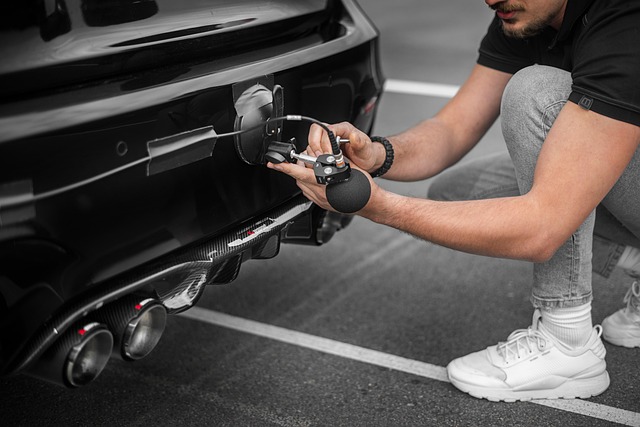
Registering a car in California involves several crucial steps to ensure your vehicle meets safety and environmental standards. One of the critical aspects often overlooked is the Vehicle Inspection process, which plays a pivotal role in securing your car’s registration. This process is designed to verify that your vehicle complies with the state’s stringent regulations, ensuring it operates safely on California roads.
The California Department of Motor Vehicles (DMV) requires vehicles to undergo a thorough inspection before registration or renewal. This inspection includes a comprehensive review of various components, from lights and brakes to emissions and safety features. For example, the DMV checks that all lights function correctly, brakes are in good working order, and emissions tests meet current standards. These inspections not only guarantee roadworthiness but also help identify potential issues early on, promoting vehicle safety. Interestingly, a study by the California Air Resources Board (CARB) revealed that vehicles passing the inspection process had significantly reduced emissions, contributing to better air quality statewide.
To streamline this process, many Californians opt for mobile VIN verifiers or mobile vin inspections. These services allow you to get your car inspected at a convenient location and time, saving you a trip to the DMV. A mobile VIN verifier uses advanced technology to cross-reference your vehicle’s unique identification number (VIN) with state databases, ensuring accuracy in a fraction of the time it might take at a traditional inspection station. This modern approach reflects California’s commitment to efficiency and convenience while maintaining high safety standards. By utilizing these resources, you can ensure that your car meets all necessary criteria, avoiding registration delays or potential issues down the line.
Complete the Registration Process: Step-by-Step Guide

Registering a car in California involves several steps to ensure your vehicle is legally compliant and ready for the road. Once you have gathered all necessary documents, including proof of ownership, insurance, and identification, it’s time to complete the registration process. This process can be streamlined by utilizing the California Department of Motor Vehicles (DMV) online services or visiting a local DMV office.
The first step is to schedule an appointment for vehicle inspection and DMV vin verification. In California, this inspection ensures your car meets safety standards, and the DMV will verify the Vehicle Identification Number (VIN) to ensure it matches the records. You can schedule this at your convenience online or via phone. If you prefer a more flexible approach, consider using a mobile vin inspection service, which allows for on-demand verifications at your current location. This method is particularly useful if you have a hard-to-reach vehicle or are unable to visit a DMV office.
During the appointment or inspection, ensure that all required documentation is present and accurate. The DMV will check for any outstanding warrants or issues with your vehicle’s registration history. If everything checks out, they will issue a registration certificate, which grants your vehicle official status on California roads. It’s crucial to keep this document updated and readily available during future interactions with law enforcement or the DMV. Regularly renewing your car’s registration ensures compliance and avoids potential fines or legal issues.
Post-Registration: Maintaining Your California Vehicle Records (DMV VIN Verification)

Maintaining accurate vehicle records is a crucial aspect of car ownership, and in California, this involves regular interaction with the DMV for what’s commonly known as VIN verification. After registering your vehicle, ensuring ongoing compliance with state regulations requires understanding and adhering to specific procedures. The California Department of Motor Vehicles (DMV) conducts VIN inspections to verify the authenticity of your vehicle’s identification number (VIN), a process that can be conveniently accessed through various methods, including mobile vin inspection services.
For many drivers, scheduling a visit to a DMV field office for VIN verification might seem like an inconvenient step in what is already a lengthy registration process. However, embracing modern solutions like mobile vin verification offers both convenience and peace of mind. These services send a qualified inspector directly to your location, whether it’s your home or place of business, to perform the necessary checks. This not only saves time but also ensures that your vehicle records remain up-to-date without you having to navigate busy DMV offices.
Regularly updating your vehicle’s VIN record is essential for several reasons. It plays a vital role in preventing theft and ensuring that any modifications made to the car are reported accurately. Moreover, accurate VIN documentation is critical when it comes to insurance claims or selling your vehicle, as it facilitates faster and more efficient processes. By maintaining meticulous records, California drivers can expect smoother interactions with both the DMV and relevant service providers, fostering a seamless motoring experience.
By meticulously navigating the process of gathering required documents, preparing for a DMV visit, ensuring your vehicle meets inspection standards, completing the registration process, and maintaining post-registration records through DMV VIN verification, you’ve empowered yourself to seamlessly register your car in California. This authoritative guide provides clear insights, step-by-step directions, and practical tips, ensuring you’re well-equipped to handle every aspect of the registration journey. Embrace these key learnings and confidently tackle the process with precision and ease.