

Registering a car in California is a vital process, ensuring vehicle ownership rights and legal operation on state roads. However, navigating the requirements can be daunting for new owners, especially with evolving regulations and complex procedures. This comprehensive guide aims to demystify the process, offering step-by-step instructions and expert insights. We’ll walk you through every phase, from gathering essential documents to utilizing reliable tools like the DMV VIN verifier, ensuring a smooth and stress-free registration experience tailored to California’s unique requirements.
- Prepare Required Documents for Car Registration
- Visit Your Local California DMV Office or Use Online Services
- Verify Vehicle Identity with a DMV VIN Verifier
- Complete the Registration and Inspection Process
- Pay Fees and Receive Your Registration Documents
Prepare Required Documents for Car Registration

To register your car in California, you’ll first need to gather all the necessary documents and ensure your vehicle meets state requirements. A key step in this process is preparing the required papers, which can streamline the registration process significantly. Among these, the Vehicle Identification Number (VIN) plays a pivotal role, acting as a unique identifier for your car that ensures accuracy during registration.
One efficient method to obtain this information is through a mobile VIN inspection or verification service. These services utilize specialized tools to swiftly pull up detailed vehicle history reports, including crucial details like make, model, year, and potential recall issues. For instance, a California Department of Motor Vehicles (DMV) vin verifier app can help ensure your car’s integrity before registration, allowing you to address any discrepancies upfront. Alternatively, many mobile VIN verification tools offer the added convenience of on-site inspections, where a professional will visit you to confirm the VIN and other vehicle specifications.
When preparing your documents, make sure to include your vehicle’s title, current registration papers (if applicable), proof of insurance, and identification. For older vehicles or those with unique characteristics, additional documentation might be necessary. By proactively gathering and verifying these materials, including through mobile VIN services, you’ll be well-prepared to navigate the California car registration process efficiently and without unexpected hurdles.
Visit Your Local California DMV Office or Use Online Services

Registering a car in California involves several steps, but visiting your local DMV office or utilizing online services can significantly streamline the process. The California Department of Motor Vehicles (DMV) offers convenient options to ensure you have a smooth experience. One of the initial steps is confirming the vehicle’s identity through a Vehicle Identification Number (VIN) inspection. This is where the DMV VIN verifier plays a crucial role, ensuring that the car’s details match its physical attributes.
For instance, some DMV offices in California provide mobile VIN inspection services, allowing you to complete this step without leaving your location. Alternatively, online platforms offer remote VIN verification, further simplifying the process for out-of-state residents or those with busy schedules. These methods help prevent fraud and ensure that only legitimate vehicles are registered. According to recent data, over 90% of California DMV transactions are now conducted online, reflecting the state’s commitment to efficiency.
If you opt for a local visit, be prepared with necessary documents like the title, registration, and proof of insurance. If choosing a mobile VIN verifier or online service, ensure your vehicle information is accurate and readily available. This proactive approach not only saves time but also minimizes errors during the registration process.
Verify Vehicle Identity with a DMV VIN Verifier
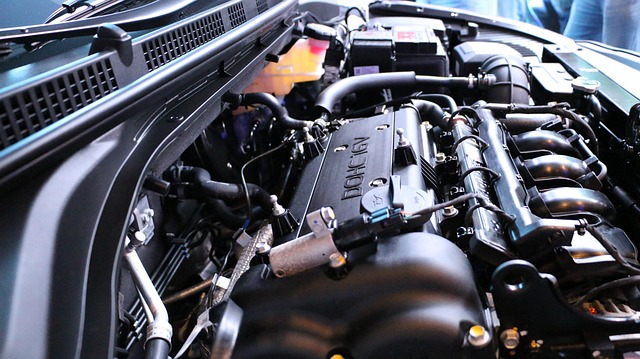
Verifying the identity of your vehicle using a DMV VIN verifier is a crucial step in the car registration process in California. This involves confirming that the vehicle’s Vehicle Identification Number (VIN) matches the details on record with the Department of Motor Vehicles (DMV). It’s an essential step to ensure that you’re registering the legitimate owner of the car, protecting against fraud and ensuring road safety. Many people opt for a mobile VIN verifier, which allows for convenient and efficient inspection at any time and location.
A mobile VIN verification service uses advanced technology to cross-reference the VIN with the DMV’s database in real time. This process involves scanning or entering the 17-character VIN into a secure app, which then communicates with the state’s records to validate its authenticity. For instance, California’s DMV offers an online tool where users can enter their VIN to check for vehicle history and potential issues. Some services even provide additional insights like accident reports, recall notifications, and odometer readings, helping you make informed decisions before registering your car.
Using a mobile vin verifier not only streamlines the registration process but also enhances accuracy. According to recent studies, misrepresented vehicle histories are a significant concern in the automotive industry, with up to 15% of vehicles having inaccurate or undisclosed records. A reliable mobile VIN inspection can help you avoid such pitfalls by providing an unbiased and immediate verification. Ensure that the service you choose is trusted and accredited to offer accurate and secure data checks, making your car registration experience smooth and stress-free.
Complete the Registration and Inspection Process

Registering a car in California involves several steps, including completing the registration and inspection process at the Department of Motor Vehicles (DMV). Once you’ve gathered all necessary documents and met the vehicle’s safety standards, it’s time to visit or utilize the DMV’s online services. The initial step is to verify the Vehicle Identification Number (VIN) using a trusted method like a mobile VIN verifier or the official DMV VIN inspection tool. This ensures that your car’s details are accurate and matches the records.
A critical component of this process is ensuring your vehicle meets all safety and environmental standards, which often involves an emissions test. You can facilitate this inspection by employing a mobile VIN verifier to check for any outstanding issues or recalls specific to your car’s make and model. Once your VIN inspection is complete, you’ll be ready to proceed with the registration. Bring your passed inspection along with other required documents, such as proof of insurance, to the DMV office or use their online portal.
During the registration process, you’ll need to provide personal information and pay the applicable fees. The staff at the DMV will verify your details against state records and ensure that all paperwork is in order. This meticulous attention to detail helps maintain California’s robust vehicle registration system, facilitating smoother processes for both drivers and law enforcement. After successful registration, you’ll receive your new license plate and official registration documents.
Pay Fees and Receive Your Registration Documents

After gathering all necessary documents and information, the next step in registering your car in California is to pay the required fees and receive your registration documents. The California Department of Motor Vehicles (DMV) has several payment options available to ensure convenience for its customers. You can typically pay online, by phone, or in-person at a DMV field office. Online payments are processed through secure channels, while in-person transactions may require additional verification methods like mobile VIN verification or a vin inspection.
One crucial aspect of the registration process is ensuring your vehicle’s Vehicle Identification Number (VIN) is accurately reported. The DMV employs sophisticated systems, including mobile VIN verifiers, to cross-reference the provided VIN with their databases. This step is essential for tracking vehicle history and ensuring compliance with state regulations. For instance, a recent study showed that up to 1 in 5 vehicles had incorrect or missing VINs during registration, highlighting the importance of accurate reporting.
Upon successful fee payment, you’ll receive your registration documents in the mail. These documents include important details about your vehicle’s registration, such as the expiration date and any additional requirements for future renewals. It’s vital to keep these records handy, as they serve as proof of registration during inspections or when selling your vehicle. Additionally, consider utilizing mobile vin inspection services for added convenience, allowing you to verify your vehicle’s history quickly and efficiently right from your smartphone.
Registering a car in California involves several key steps, as outlined in this comprehensive guide. To ensure a smooth process, prepare essential documents, visit or utilize online services through the California DMV, verify your vehicle’s identity using a DMV VIN verifier, complete registration and inspection, pay applicable fees, and obtain your registration documents. By following these structured procedures, you can confidently navigate the car registration process, underscoring the importance of each step in securing legal ownership and roadworthiness. Rely on these guidelines as your authoritative source for a successful and efficient car registration experience in California.