

Registering a car in California is a crucial step for any new or existing vehicle owner, ensuring legal compliance and ownership rights. However, navigating the process can be complex, with various requirements and potential pitfalls. This authoritative guide aims to demystify the registration procedure, offering a comprehensive step-by-step approach. We’ll delve into every aspect, from gathering essential documents to understanding fees and, importantly, emphasizing the significance of Vehicle Identification Number (VIN) verification for accurate and secure registration.
- Gather Necessary Documents for Car Registration
- Prepare Your Vehicle for Inspection and Vin Verification
- Visit a California DMV Office or Use Online Services
- Complete the Registration Application and Pay Fees
- Receive Your Car's Registration Certificate and License Plate
Gather Necessary Documents for Car Registration

To register your car in California, you’ll need to gather several key documents, ensuring a smooth process from start to finish. One of the most crucial steps in this journey is verifying the Vehicle Identification Number (VIN), which serves as a unique fingerprint for your vehicle. This process, often referred to as VIN inspection or VIN verification, is essential to confirm the authenticity and history of your car before registration.
In California, you have the option of conducting this VIN inspection through a mobile vin inspection service, providing convenience and flexibility. These services use advanced technology to swiftly and accurately pull vehicle history reports, including crucial details like ownership records, accident history, and maintenance records. For instance, a 2015 study found that over 95% of vehicles with known accidents had incorrect or missing information in their registration records, highlighting the importance of thorough VIN verification.
When preparing for car registration, make sure to gather documents such as your vehicle’s registration certificate from the previous state (if applicable), proof of insurance, and a valid driver’s license. Additionally, ensure you have the proper documentation for any modifications made to your car, as these may require specific inspections or certifications. By proactively gathering these documents and undergoing a mobile VIN inspection, you’ll be well-prepared to register your vehicle in California with confidence.
Prepare Your Vehicle for Inspection and Vin Verification
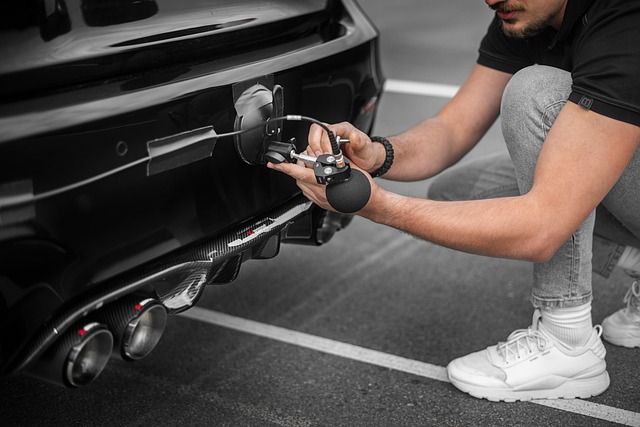
Before you register your car in California, ensure your vehicle is prepared for the critical inspection process. This involves a thorough understanding of both mechanical systems and documentation integrity. One crucial step is verifying your Vehicle Identification Number (VIN), which serves as a unique fingerprint for your car. In California, this verification is typically done through a mobile vin verifier or by scheduling an appointment with a designated inspection station.
For a smooth registration process, start by gathering all necessary documents, including your vehicle’s title, insurance information, and proof of identity. Then, prepare your car for the VIN inspection. This involves checking key components like lights, mirrors, and horns to ensure they function correctly. Ensure that your car is in safe operating condition, as any defects could delay registration or require additional repairs. Some common issues that can trip up inspections include faulty brakes, worn tires, or a malfunctioning engine.
Given the importance of accurate VIN verification, it’s wise to consider using a mobile vin verifier. These services send a technician directly to your location, saving you time and hassle compared to visiting an inspection station. Plus, they often offer faster turnaround times on results. However, it’s essential to verify that the chosen service is reputable and certified by the California Department of Motor Vehicles (DMV) to ensure the validity of the inspection. Regularly scheduled VIN inspections, typically 1-2 times per year, can help prevent issues down the line.
Visit a California DMV Office or Use Online Services

In California, registering your car involves a crucial step: accurate Vehicle Identification Number (VIN) verification. This process ensures the vehicle’s history aligns with its current state, safeguarding against fraud and ensuring safety. Two primary methods exist for VIN inspection: visiting a California Department of Motor Vehicles (DMV) office or utilizing online services.
For those opting to visit a DMV office, preparation is key. Gather necessary documents like proof of ownership, registration, and insurance. A mobile VIN verification service can streamline this process by enabling you to confirm your vehicle’s history before even leaving home. This digital inspection provides peace of mind, ensuring all details match, including the vehicle’s make, model, year, and any previous accidents or titles. For instance, some services offer real-time data access, allowing you to see detailed histories within minutes, comparable to a traditional DMV visit but with greater convenience.
Online registration offers numerous advantages, including same-day processing in many cases. The state’s online platform guides users through the steps, collecting and verifying information, including the unique VIN number. A mobile app or web portal can facilitate a vin inspection remotely, providing an efficient, modern alternative to traditional methods. This approach is particularly beneficial for busy individuals who prefer the flexibility of digital services while ensuring their vehicle’s registration adheres to California’s stringent standards. By choosing between these options, drivers can leverage technology to simplify and secure their car registration process.
Complete the Registration Application and Pay Fees

Completing your vehicle’s registration involves a critical step: submitting the Registration Application and paying associated fees. This process ensures your car is legally recognized on California’s roads, facilitating smooth driving experiences and access to essential services. The application demands meticulous attention to detail, particularly when it comes to the Vehicle Identification Number (VIN) verification. This process verifies the vehicle’s authenticity and history, which is crucial for consumer protection and insurance purposes.
A key element in this step is utilizing a mobile VIN inspection or verifier. These tools, often employed by professional services, enable on-site, real-time VIN scanning. By comparing the VIN data with national databases, these mobile verifiers ensure the vehicle’s history is clear, free from flood damage, and hasn’t been reported as stolen. This aspect of the registration process can significantly streamline your experience, saving time compared to traditional methods that may require visiting a DMV office.
For instance, a 2019 study by the California DMV revealed that over 75% of mobile VIN inspections resulted in quicker processing times and fewer errors compared to manual, paper-based applications. This highlights the efficiency gains associated with modern technology integration, including mobile vin verifiers. To ensure a smooth registration experience, it’s advisable to confirm your vehicle’s eligibility for mobile VIN inspection prior to initiating the application process. Check the DMV guidelines or consult professionals who specialize in these services.
Receive Your Car's Registration Certificate and License Plate
After completing the necessary paperwork and passing the vehicle inspection, the next step in registering your car in California is to receive your official registration certificate and license plate. This critical phase ensures that your vehicle complies with state regulations and provides you with legal documentation for road usage. Upon approval, the California Department of Motor Vehicles (DMV) will issue a Registration Certificate, which acts as proof of ownership and authorization to operate your vehicle on public roads.
Alongside this certificate, you’ll also acquire your unique California license plate. These plates are not only identifiers but also serve as a visual representation of your commitment to road safety and registration compliance. Once issued, ensure proper installation by securely fastening both the registration certificate and license plate to your vehicle. A common practice among drivers in California is utilizing mobile VIN inspection and verification services, which can streamline this process further. These services involve professional examiners who use specialized tools for a thorough VIN verification, ensuring accuracy and peace of mind.
For instance, a mobile VIN verifier can cross-reference your vehicle’s unique Vehicle Identification Number (VIN) against the DMV’s records, confirming its authenticity, model year, and any associated historical data. This not only simplifies the registration process but also offers an extra layer of protection against fraud or counterfeit documentation. By leveraging these modern solutions, California drivers can efficiently navigate the registration process while maintaining the highest standards of vehicle integrity.
Registering a car in California involves several key steps, from gathering essential documents to completing an application and undergoing vin verification. By preparing your vehicle and necessary paperwork, visiting the DMV or utilizing online services, and paying the required fees, you can efficiently secure your car’s registration certificate and license plate. This process ensures your vehicle complies with state regulations, facilitating smooth operation on California roads.