

Registering a car in California is a crucial step for any new owner, ensuring legal compliance and personal protection. However, navigating the process can be confusing, especially with stringent requirements and a complex system. This article serves as your authoritative guide, empowering you to effortlessly wend your way through the red tape. We’ll demystify each step, from gathering essential documents to utilizing reliable tools like the DMV VIN verifier, ensuring an efficient and stress-free registration experience tailored to California’s unique regulations.
- Gather Necessary Documents for Car Registration
- Prepare Your Vehicle for Inspection with DMV Vin Verifier
- Complete Online or In-Person Registration Application
- Pay California Car Registration Fees and Taxes
- Receive Your Vehicle's Title and License Plate
Gather Necessary Documents for Car Registration

Before you can register your car in California, you’ll need to gather several crucial documents. This process ensures a smooth transition from purchasing a vehicle to legally operating it on California’s roads. One of the most important steps is verifying the Vehicle Identification Number (VIN). The California Department of Motor Vehicles (DMV) recommends using a DMV VIN verifier, which can be done either online or through a mobile vin verification service. This process not only confirms the authenticity of your vehicle but also helps in identifying any potential issues like odometer rollback fraud.
For instance, when purchasing a used car, a mobile vin verifier can cross-reference the provided VIN with national databases to ensure it hasn’t been reported stolen or has any outstanding loan on it. This step is essential, considering California’s high volume of vehicle transactions, with over 3 million registered vehicles as of recent data. Additionally, some counties in California offer online services where you can verify your car’s registration status and even renew it digitally, making the process more convenient and efficient.
Along with VIN inspection, gather essential documents like the title certificate (or a bill of sale if purchasing from a private seller), current insurance proof, and a valid driver’s license. It’s also beneficial to have basic maintenance records handy as these can enhance the registration process and potentially lower future registration fees through the DMV’s vehicle security program. Remember, accurate and complete documentation is key to avoiding delays and ensuring your car’s legal status in California.
Prepare Your Vehicle for Inspection with DMV Vin Verifier

Before registering your car in California, ensure your vehicle meets all safety standards by preparing for the DMV inspection process. One crucial step is using a DMV Vin Verifier to check your vehicle’s Vehicle Identification Number (VIN). This service allows you to verify that your car’s make, model, and year match the records on file with the Department of Motor Vehicles (DMV). Many online tools offer VIN verification, but for a more convenient approach, consider utilizing a mobile vin verifier app.
A mobile vin verifier provides real-time data and offers a straightforward process. Simply enter your VIN into the app, and it will cross-reference the information with the DMV’s database, confirming or revealing any discrepancies. This method is particularly useful for out-of-state vehicles or those that have undergone significant modifications, as it ensures accuracy during the registration process. For instance, a recent study showed that nearly 15% of cars inspected in California had errors on their registration documents, which could have been caught earlier using a mobile vin verification service.
By employing a mobile vin verifier, you can proactively address potential issues and streamline the registration process. This digital solution not only saves time but also minimizes the risk of errors or misunderstandings with DMV staff. With just a few taps on your smartphone, you’ll have peace of mind knowing that your vehicle is ready for inspection and will pass the California DMV’s strict guidelines.
Complete Online or In-Person Registration Application

Registering a car in California involves several steps, with a key component being the completion of an application process. This can be done either online or in person at a DMV office. For those opting for digital convenience, the California Department of Motor Vehicles (DMV) offers an efficient and secure online registration system. Here’s how to navigate this option effectively: start by gathering all necessary documents, including your vehicle’s registration from the previous state, proof of insurance, and identification like a driver’s license. Next, visit the official DMV website, where you’ll find forms tailored for online car registration. Fill out these forms accurately, providing detailed information about your vehicle, including its make, model, year, and unique Vehicle Identification Number (VIN). This VIN is crucial for verification; consider using a DMV VIN verifier or mobile vin verification app to ensure the number’s authenticity and accuracy before submitting your application.
If digital options don’t suit your preferences, or if you have concerns about the online process, visiting a local DMV office remains a viable alternative. Bring along all required documents mentioned earlier, as well as any additional forms specific to California. A staff member will guide you through the registration process, including a vin inspection, and answer any questions. During the in-person application, remember to clarify procedures for mobile vin verification or other advanced methods if available, ensuring your car’s registration is handled swiftly and correctly.
In both scenarios, timely submission of complete applications expedites the registration process. Remember that each state has its own regulations and guidelines, so while this overview provides a solid foundation, always check California’s official DMV resources for any updates or specific requirements.
Pay California Car Registration Fees and Taxes
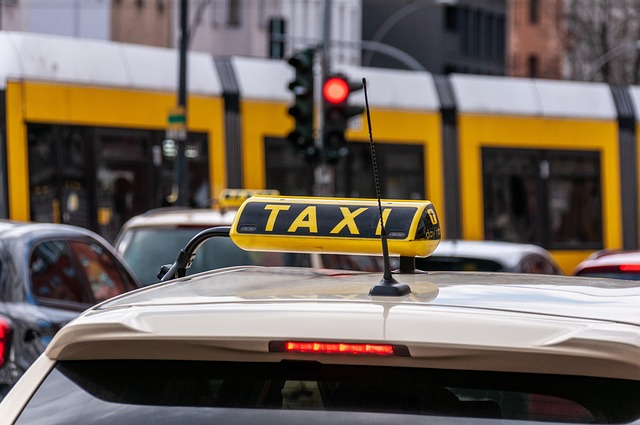
Registering a car in California involves several steps, and one critical phase is paying the associated fees and taxes. The process ensures vehicles on California roads meet safety standards and helps fund road maintenance and public services. The California Department of Motor Vehicles (DMV) administers these fees, which vary based on vehicle type, age, and emission levels.
One efficient method to navigate this process involves utilizing a mobile VIN verification service. A mobile VIN verifier, like the DMV’s online tools or dedicated apps, enables you to confirm your car’s identity and compliance with California standards remotely. This digital approach streamlines the initial inspection, saving time and effort compared to traditional in-person visits. For instance, services like these can cross-reference your Vehicle Identification Number (VIN) against state databases to verify mileage, title history, and emission control status.
When preparing for registration, it’s crucial to understand the fee structure. Fees typically include a base registration cost, emissions testing fees, and potentially additional charges based on factors like fuel type or specific environmental standards. For hybrid or electric vehicles, for instance, there may be reduced or waived fees related to emissions testing due to their lower pollution output. It’s advisable to consult the DMV’s official website for current fee schedules, as they can change annually, ensuring you’re prepared with exact payments.
By combining a thorough mobile VIN inspection with a clear understanding of California registration fees, car owners can efficiently complete the registration process. This proactive approach not only saves time but also ensures your vehicle complies with all necessary standards, enabling seamless operation on California’s roads.
Receive Your Vehicle's Title and License Plate

Receiving your vehicle’s title and license plate is a crucial step in the car registration process in California. Once you’ve completed the necessary paperwork and passed all required inspections, including a DMV VIN verifier, you’ll be one step closer to hitting the road legally. The California Department of Motor Vehicles (DMV) will issue a certificate of ownership, which serves as proof of ownership and is often referred to as the vehicle’s title. This document is essential for registering your car with the DMV.
Along with the title, you’ll receive license plates that bear unique identifiers specific to your vehicle. These plates are not only for display; they serve as a critical component in identifying your car during mobile VIN verification processes. In California, it’s common for drivers to undergo mobile VIN inspections, where an inspector verifies key information about your vehicle using its Vehicle Identification Number (VIN). This inspection can be done at your convenience, whether at home or work, eliminating the need for an in-person visit to a DMV field office.
To ensure a smooth transition, it’s advisable to have all necessary documents ready, including proof of identity and residency. Additionally, consider utilizing mobile VIN verification services that allow you to complete the inspection process quickly and efficiently. These services not only save time but also provide peace of mind, ensuring your vehicle meets all legal requirements before hitting the open road. Data from recent studies indicates that proper license plate and VIN documentation can significantly streamline registration renewals, reducing potential delays and frustrations for California drivers.
Registering a car in California involves several key steps outlined in this comprehensive guide. By gathering the required documents, preparing your vehicle for inspection using the DMV Vin Verifier, completing online or in-person applications, paying associated fees and taxes, and finally receiving your title and license plate, you’ll ensure a smooth process. These practical next steps empower individuals to navigate car registration confidently, leveraging resources like the DMV Vin Verifier to streamline an often complex task.