

Registering a car in California is a vital process that ensures vehicle ownership rights and enables responsible use on public roads. However, navigating the requirements can be daunting for new owners. This comprehensive guide aims to demystify the process, focusing particularly on the crucial step of DMV VIN verification. We’ll walk you through each essential phase, ensuring compliance with state regulations, and providing valuable insights to streamline your car registration experience in the Golden State.
- Prepare Required Documents for Car Registration
- Visit California DMV: Step-by-Step Guide
- Perform VIN Verification for Accurate Data Entry
- Pay Registration Fees: Understanding Costs
- Register Your Vehicle Online or In-Person
Prepare Required Documents for Car Registration

Before you begin the registration process for your new or used car in California, ensuring you have all the necessary documents is crucial. The California Department of Motor Vehicles (DMV) requires a comprehensive set of papers to verify ownership and vehicle details. One critical aspect of this preparation is achieving accurate and official Vehicle Identification Number (VIN) verification. This step guarantees that the DMV has the correct information about your car, enhancing the registration process’s efficiency.
For many California residents, utilizing a mobile VIN verifier or performing a mobile VIN inspection can streamline this task. These services allow you to obtain a certified digital copy of your vehicle’s VIN report instantly. It involves taking a simple photo of the VIN plate located on your car’s dashboard or chassis and then using specialized software to extract and verify the data. This modern approach is especially beneficial, considering the DMV’s emphasis on timely processing and accurate record-keeping. For instance, many mobile apps and services can provide this service within minutes, ensuring you have one less hurdle in the registration journey.
When gathering documents, besides the VIN verification report, you’ll need to present proof of ownership, such as a title or purchase agreement, valid identification like a driver’s license, and current insurance records. It’s essential to keep these documents organized and readily available. Moreover, if you’ve recently purchased a car from an out-of-state dealership, ensure that the DMV receives the necessary forms to transfer the registration, including any required fees. Properly preparing these documents will significantly contribute to a smooth car registration experience in California.
Visit California DMV: Step-by-Step Guide
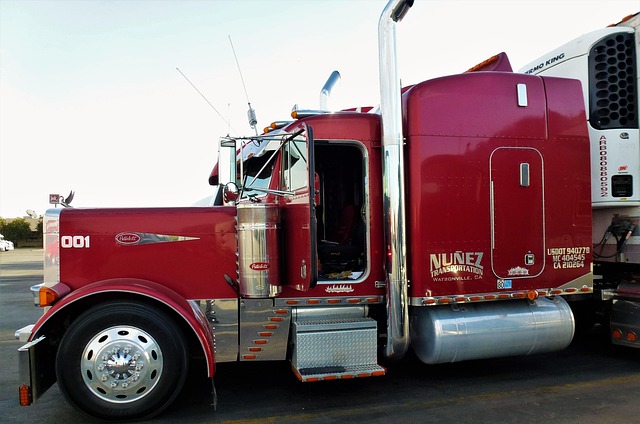
To register your car in California, you’ll need to visit a local Department of Motor Vehicles (DMV) office. This step-by-step guide will help you navigate the process efficiently. First, gather all required documents, including proof of ownership, vehicle identification number (VIN) inspection, and valid identification. Once at the DMV, locate the dedicated window for registration services; staff will assist with any forms or clarifications needed. The key part of this process involves a DMV VIN verification, ensuring your vehicle’s authenticity and history are checked against national databases.
You can streamline this step by utilizing mobile VIN inspection tools that provide real-time data on a vehicle’s history, including accident reports and odometer readings. These apps or services offer convenience, saving you time waiting in line at the DMV. For instance, many mobile apps now integrate with the DMV’s system to verify your VIN and speed up registration. This modern approach reflects California’s commitment to digitizing services, making car registration more accessible and efficient.
Before proceeding, confirm your vehicle meets all safety standards and emissions requirements. If any issues are identified during the VIN inspection, address them promptly before returning to complete the registration. Remember, a thorough understanding of each step ensures a smooth process. For instance, many residents opt for online registration renewals whenever possible, avoiding visits to the DMV altogether. By following these guidelines and leveraging available technology like mobile VIN verification, registering your car in California becomes a manageable task.
Perform VIN Verification for Accurate Data Entry

Registering a car in California involves meticulous data entry, ensuring every detail is accurate to avoid future issues. One critical step often overlooked but crucial for maintaining vehicle records is performing a Vehicle Identification Number (VIN) verification. This process guarantees that the information associated with your car’s VIN matches what’s on file at the Department of Motor Vehicles (DMV). Since California has strict regulations, getting this right from the start can save you time and potential penalties.
For instance, let’s say you’ve purchased a classic car, and its history is important to you. A mobile VIN inspection or verification service can cross-reference the vehicle’s unique 17-character VIN with the DMV database, confirming ownership details, accident history, and previous registrations. This is especially relevant in California, where vehicles undergo rigorous inspections and emissions tests. Accurate VIN data ensures your car passes these checks, demonstrating its compliance from day one.
The process itself is straightforward. During registration, you’ll be prompted to provide the VIN, which can typically be found on the vehicle’s certificate of title or on a label inside the driver’s door. A mobile vin inspection service can then perform real-time verification with the DMV, ensuring all data entered aligns perfectly. If discrepancies are found—and they’re not uncommon due to human error or outdated records—you’ll receive notice and have the chance to correct them promptly. This proactive approach ensures your registration stays valid and helps maintain the integrity of California’s vehicle record system.
Pay Registration Fees: Understanding Costs

Registering a car in California involves several steps, one of which is understanding and paying the registration fees. These costs can vary based on factors such as the type of vehicle, its age, and whether you’re transferring an existing registration or registering for the first time. The California Department of Motor Vehicles (DMV) offers a clear breakdown of these fees, ensuring transparency for all vehicle owners.
One crucial aspect to keep in mind is the DMV’s vin verification process. This involves a comprehensive inspection that includes checking the Vehicle Identification Number (VIN) to ensure its authenticity and history. Luckily, modern technology has made this step more accessible with mobile VIN verification services. Apps and platforms offering mobile VIN inspection allow you to complete this requirement remotely, providing convenience and saving time. For instance, these tools can help identify any issues with the vehicle’s title or history, which is essential for a successful registration.
To pay your registration fees, you typically have several options. You can choose to do so online through the DMV website, where you’ll be guided through the process step-by-step. Alternatively, many county clerk offices and select DMV field offices accept cash, check, or credit/debit cards. It’s advisable to verify the accepted payment methods in advance with your local DMV branch if available. Keep accurate records of your transactions for future reference, as these documents may be required during vehicle sales or other official procedures.
By understanding the registration fee structure and leveraging modern tools like mobile VIN verifiers, you can streamline the registration process. Remember to stay informed about any changes in regulations or fees by consulting the official DMV resources, ensuring a smooth and efficient car registration experience tailored to California’s requirements.
Register Your Vehicle Online or In-Person

Registering your car in California involves several steps, but you have options when it comes to how you conduct this process. One significant decision point is whether to register your vehicle online or in person at a Department of Motor Vehicles (DMV) office. Both methods offer advantages, and understanding these can help ensure a smoother experience.
For those who prefer the convenience of modern technology, registering online through the DMV’s website is an excellent choice. This method allows you to complete most of the process from the comfort of your home or office. You’ll need to provide essential documentation, such as proof of identity and vehicle ownership, along with relevant fees. The DMV will then conduct a Vehicle Identification Number (VIN) verification to ensure the vehicle’s authenticity, known as a DMV VIN verification. Online registration is particularly beneficial for those who live far from a DMV office or have busy schedules, saving time and avoiding potential delays caused by in-person visits.
Alternatively, visiting a local DMV branch remains a valid option. In-person registration allows you to interact with a DMV representative who can guide you through the process and answer any questions. This method might be preferable for complex cases where additional documentation or clarification is required. Additionally, some individuals prefer the face-to-face interaction for a more personalized experience. When choosing this route, ensure that you bring all necessary documents, including proof of residency, identification, and vehicle registration documents. You can also take advantage of mobile VIN inspection services offered by some third-party providers, which can expedite the verification process on site.
Whichever method you select, proper documentation and accurate information are crucial to a successful car registration in California.
By meticulously preparing required documents, following a structured approach to visiting the California DMV, performing crucial dmv vin verification for accurate data entry, understanding and paying registration fees, and choosing between online or in-person registration, you can seamlessly register your vehicle. This comprehensive guide equips you with the knowledge and steps necessary to navigate the process effectively, ensuring a smooth and efficient car registration experience in California.