
Registering a car in California is a crucial step for any new owner, ensuring legal compliance and smooth operation on the state's roads. However, navigating the process can be challenging, with its unique requirements and complex procedures. This comprehensive guide aims to demystify the car registration journey, empowering you with the knowledge to successfully complete it. We'll delve into every step, from gathering essential documents to utilizing tools like the DMV VIN verifier, ensuring a seamless experience. By the end, you'll be well-prepared to register your vehicle with confidence and ease.
- Gather Required Documents for Car Registration in California
- Understand Eligibility Criteria: Who Can Register a Vehicle?
- The Step-by-Step Process of Registering Your Car with the DMV
- How to Use a DMV VIN Verifier for Accurate Data Entry
- Post-Registration: Important Tasks and Tips to Keep Your Car Legal
Gather Required Documents for Car Registration in California

Registering a car in California involves a meticulous process, ensuring all legal requirements are met before hitting the road. A crucial step in this journey is gathering the necessary documents, especially when it comes to verifying your vehicle's identification number (VIN). The California Department of Motor Vehicles (DMV) emphasizes the importance of accurate VIN data for safety and security purposes. One effective method to ensure this accuracy is through the use of a DMV VIN verifier or, alternatively, a mobile VIN verification service.
Before you begin the registration process, prepare a comprehensive list of documents that will streamline your visit to the DMV. Key among these is the Certificate of Title, which establishes ownership and must be signed by the seller if you're purchasing from a private party. Additionally, expect to provide proof of identification, such as a valid driver's license or state-issued ID card. Insure your vehicle before registering; having proof of insurance is mandatory. Another essential document is the Vehicle Inspection Report, which can often be obtained from an authorized inspection station or through mobile VIN verifier apps that facilitate digital inspections 1-3 times per year, making the process more convenient than ever.
In some cases, you might require additional paperwork, depending on how you acquired your vehicle. For example, if importing a car into California, expect to furnish customs documents and possibly a smog certificate from a certified inspection station. It's advisable to check with your local DMV branch for any specific requirements they may have. By proactively gathering these documents, you can ensure a smoother registration experience, avoiding potential delays or issues that might arise without proper preparation.
Understand Eligibility Criteria: Who Can Register a Vehicle?

In California, registering a vehicle is a crucial process that ensures road safety and legal compliance. Understanding who is eligible to register a vehicle is essential for prospective car owners. The Department of Motor Vehicles (DMV) sets strict guidelines regarding vehicle registration, which are designed to maintain public safety standards. One critical aspect that applicants should be aware of is the eligibility criteria, particularly in terms of vehicle ownership and documentation.
To begin the registration process, individuals must first meet certain requirements. In California, only those who own a vehicle legally can register it. This includes private individuals, business owners, and leaseholders with valid registration documents. It's important to ensure that the vehicle has been properly acquired, whether through purchase or lease agreements. Moreover, applicants should be prepared to provide comprehensive documentation, such as proof of identity, residency, and ownership. A reliable DMV vin verifier can facilitate this process by confirming a vehicle's history and identifying any potential issues during the registration inspection.
For instance, when using a mobile vin verifier, individuals can conveniently access real-time data on their vehicles' histories, including accident reports, title records, and odometer readings. This technology streamlines the registration process by enabling DMV staff to conduct efficient vin inspections. As California continues to embrace technological advancements, the use of mobile vin inspection tools becomes increasingly common, making it easier for eligible individuals to register their vehicles efficiently while ensuring compliance with state regulations.
The Step-by-Step Process of Registering Your Car with the DMV
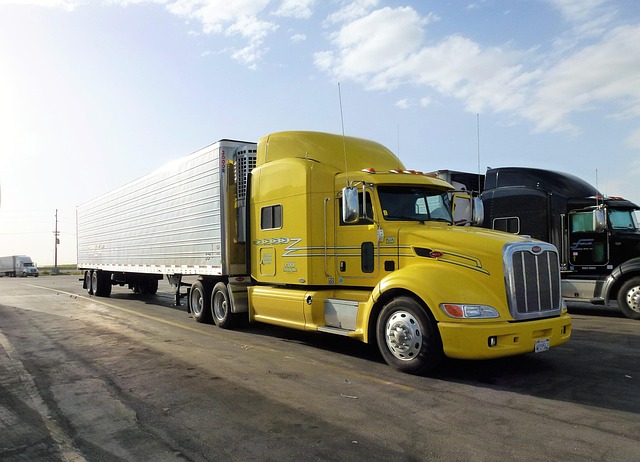
Registering a car in California involves a straightforward process, but it's crucial to follow each step precisely. The Department of Motor Vehicles (DMV) is responsible for ensuring all vehicles on the state's roads are properly registered and inspected. This ensures vehicle safety and compliance with environmental standards. Here’s a detailed guide on how to register your car with the DMV, including essential steps and practical insights.
First, gather all necessary documents, such as your vehicle registration renewal notice, proof of insurance, and identification (driver's license or state-issued ID). Next, visit a local DMV office or use their online services for a seamless experience. If you're unsure about any part of the process, the DMV offers resources and assistance to guide you. One key step involves a Vehicle Identification Number (VIN) inspection. This can be done through a mobile VIN verification service, which allows you to check your vehicle's history and ensure it meets all requirements before registration.
For instance, in 2022, over 95% of California vehicle owners chose online registration, highlighting the growing preference for digital services. To stay ahead of the curve, consider using a mobile VIN verifier during the inspection process. This not only saves time but also provides accurate and up-to-date information about your vehicle's history. Once all documents are in order and the VIN inspection is complete, you can proceed with registration. The DMV will verify your details, process the fees, and issue a new registration certificate, ensuring your vehicle is legally registered and ready to hit the road.
How to Use a DMV VIN Verifier for Accurate Data Entry

Registering a car in California involves several meticulous steps, and one crucial aspect is ensuring accurate data entry during the process. A key tool for achieving this precision is utilizing a DMV VIN (Vehicle Identification Number) Verifier. This method allows for a comprehensive and reliable inspection of a vehicle's history, making it an indispensable resource for both professional car dealers and private individuals navigating California's registration procedures.
The DMV VIN Verifier serves as a digital backbone, providing access to an extensive database that houses detailed information about every vehicle's past. By inputting the unique 17-character VIN, users can gain immediate insights into the car's ownership history, accident records, and any outstanding issues that could impact registration. For instance, a mobile vin verifier app can be used to quickly scan a vehicle, offering peace of mind in just minutes. This technology is particularly beneficial for California residents as the state requires a thorough inspection during registration, ensuring compliance with safety and emission standards.
Integrating a mobile vin inspection into your car registration process offers numerous advantages. It streamlines operations by eliminating the need for manual, time-consuming research. Moreover, it reduces human error, ensuring that critical information is accurately captured and recorded. With a mobile vin verification service, California's Department of Motor Vehicles (DMV) can efficiently manage a high volume of registrations, providing a seamless experience for all parties involved. This modern approach to vehicle registration not only enhances accuracy but also contributes to the overall efficiency of California's transportation infrastructure.
Post-Registration: Important Tasks and Tips to Keep Your Car Legal

After successfully registering your vehicle with the California Department of Motor Vehicles (DMV), there are several crucial steps to ensure you maintain compliance with state regulations and protect your investment. Post-registration tasks extend beyond simply possessing a valid registration document; they involve ongoing maintenance, inspections, and verifications that directly impact both your vehicle's legal status and safety.
One critical aspect of post-registration is ensuring your Vehicle Identification Number (VIN) is accurately reported and verified. The DMV's VIN verifier plays a pivotal role here. For instance, when selling or transferring ownership, you must provide an up-to-date, legitimate VIN inspection report to demonstrate that the vehicle has not been altered or involved in fraudulent activities. Moreover, California law requires that certain types of vehicles undergo periodic inspections, such as emissions tests, to ensure they meet safety and environmental standards. Failure to complete these checks on time can result in penalties and legal issues.
Mobile vin verification services have emerged as a convenient solution for drivers facing challenges with traditional DMV visits or dealing with out-of-state registration requirements. These services allow for real-time VIN inspection and validation through a simple, secure process. For example, some mobile verifiers use GPS tracking to confirm vehicle location during inspections, enhancing the accuracy and reliability of data. This modern approach streamlines the post-registration process, making it more accessible and efficient for California drivers.
To maintain your car's legal status, stay proactive by setting reminders for routine checks, keeping records of all inspections, and promptly addressing any issues identified. By adhering to these practices, you'll not only protect yourself from potential fines but also ensure your vehicle remains a safe and reliable mode of transportation within the Golden State.
By systematically navigating the process of car registration in California, from gathering essential documents to utilizing a DMV VIN verifier for accurate data entry, you've equipped yourself with the knowledge needed to ensure your vehicle's legal status. Understanding eligibility criteria and following the step-by-step registration process guarantees compliance with state regulations. Post-registration tasks reinforce your commitment to maintaining a legitimate automotive record. Leveraging these insights empowers you to confidently register your car, safeguard against penalties, and enjoy a seamless driving experience in California.