

Registering a car in California is a straightforward process, but understanding the requirements and gathering the right documents is crucial. This guide will walk you through each step, ensuring a smooth experience. From verifying your vehicle’s Identification Number (VIN) at the DMV to completing the registration application and paying fees, we’ll cover it all. By following these steps, you’ll have your California car registered in no time. Remember, proper documentation and VIN verification are key.
- Understand California Car Registration Requirements
- Gather Necessary Documents for Registration
- Visit the DMV for Vehicle Identification Number (VIN) Verification
- Complete the Registration Application Process
- Pay the Registration Fees and Obtain Your Plate
Understand California Car Registration Requirements

Before registering your car in California, it’s essential to understand the state’s requirements for vehicle identification number (VIN) verification. The California Department of Motor Vehicles (DMV) mandates a thorough inspection of every vehicle to ensure it meets safety and emission standards. One crucial step in this process is the accurate documentation of your car’s VIN, which serves as a unique identifier for the vehicle.
A mobile vin verifier or mobile vin inspection service can facilitate this verification by providing on-site, real-time VIN checking. This alternative approach ensures convenience and speed, allowing you to address any issues with your car’s registration promptly. By utilizing these modern tools, you streamline the registration process and minimize potential delays caused by traditional methods of VIN verification at a DMV office.
Gather Necessary Documents for Registration

Before you begin the registration process, ensure you have all the required documents. The California Department of Motor Vehicles (DMV) requires specific information for a successful car registration. Gather your vehicle’s registration from its previous owner and any proof of insurance. It’s also crucial to have the Vehicle Identification Number (VIN) verification report, which can be obtained through a mobile VIN inspection or by visiting a DMV office.
Additionally, you’ll need a completed Application for Title and Registration form, often available at your local DMV branch. Don’t forget to carry your driver’s license or state-issued ID and any other supporting documents like proof of residency. With these in hand, you’re ready to proceed with the registration process, which involves a series of steps designed to ensure accurate record-keeping by the DMV.
Visit the DMV for Vehicle Identification Number (VIN) Verification

After gathering all the necessary documents, it’s time to visit your local California DMV office for a crucial step in the registration process—VIN (Vehicle Identification Number) verification. This step ensures that your vehicle’s unique identifier matches the records and is not altered or falsified. The DMV will cross-reference the VIN with their database to ensure the vehicle’s history is clear and there are no outstanding issues.
You can streamline this process by considering a mobile vin verification service, which allows for an efficient and often faster alternative. A mobile vin verifier or inspector can come to your location, perform the necessary checks, and provide instant results, making it a convenient option, especially if you’re pressed for time or have accessibility challenges. This modern approach to VIN verification offers a seamless experience, ensuring you can register your car without hassle.
Complete the Registration Application Process

To complete the registration process for your vehicle in California, you’ll need to go through a series of steps with the Department of Motor Vehicles (DMV). First, gather all required documents, including your vehicle’s title, proof of insurance, and identification. Then, fill out the Registration Application form, which is available both online and in paper format at your local DMV. Ensure that you accurately provide your personal information, vehicle details, and agree to the terms and conditions.
Once your application is ready, it’s time for a crucial step: DMV vin verification. This involves checking the Vehicle Identification Number (VIN) of your car to ensure it matches the records in their system. You can do this through a mobile vin verification service or by visiting a DMV office, where they’ll cross-reference the VIN with their database. With all information confirmed, submit your application and wait for the registration confirmation, which will be sent to you via mail.
Pay the Registration Fees and Obtain Your Plate
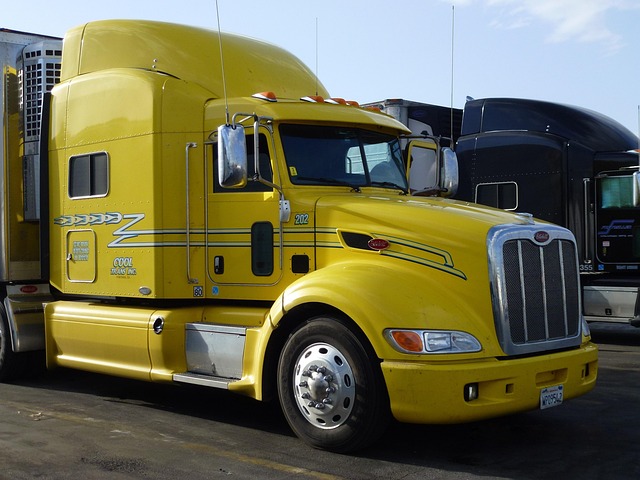
After completing your vehicle’s inspection, the next step is to pay the registration fees and obtain your license plate. This process typically involves visiting a California DMV office or utilizing their online services, ensuring all necessary documents are in order. Among these, the Vehicle Identification Number (VIN) verification is a crucial step. A mobile vin verifier or even a simple mobile vin inspection can help ensure that the vehicle’s history matches the information provided by the seller.
Once your VIN has been verified and all fees are paid, you will receive your registration documents and license plate. This marks the official registration of your vehicle in California, allowing you to legally operate it on public roads. Always remember to keep your registration papers up-to-date for smooth future transactions and DMV visits.
Registering a car in California involves understanding specific requirements, gathering essential documents, and completing a straightforward application process. After verifying your vehicle’s Vehicle Identification Number (VIN) at the DMV, you’ll pay registration fees and receive your unique license plate. This efficient system ensures that California drivers comply with state regulations while enjoying the convenience of personalized vehicle identification.