

Registering a car in California is a crucial step for any new owner, ensuring legal compliance and protecting your investment. However, navigating the process can be a complex and time-consuming task, often shrouded in confusion. This comprehensive guide aims to demystify the procedure, offering clear instructions and expert insights. We’ll walk you through each step, from gathering essential documents to using reliable tools like a VIN verifier, ensuring a smooth and stress-free experience. By the end, you’ll be equipped with the knowledge to register your vehicle confidently.
- Gather Necessary Documents for Car Registration
- Prepare Your Vehicle for Inspection Using VIN Verifier
- Visit a California Department of Motor Vehicles (DMV) Office
- Complete the Registration Application Form Accurately
- Pay the Required Fees and Receive Your Vehicle's Title
Gather Necessary Documents for Car Registration

Registering a car in California involves several steps, and one of the crucial initial tasks is gathering the necessary documents. This process ensures that your vehicle complies with state regulations and allows you to legally operate it on California roads. Among these documents, the Vehicle Identification Number (VIN) plays a pivotal role, serving as a unique identifier for your car. Utilizing a mobile VIN verifier or conducting a VIN inspection can facilitate this process significantly.
Core documents required include proof of ownership, typically a previous registration or bill of sale, and valid identification such as a driver’s license. Additionally, you’ll need to provide evidence of insurance and pay the registration fee. It’s essential to ensure these documents are accurate and up-to-date. For instance, if you’re transferring a registration, a signed assignment form might be necessary, along with any applicable fees.
For a smoother process, consider employing modern tools like mobile VIN verifiers. These applications enable users to quickly and accurately verify a vehicle’s history using its unique VIN number. By integrating this technology into your preparation, you can anticipate potential issues, correct errors, and streamline the registration process at a California Department of Motor Vehicles (DMV) office.
Prepare Your Vehicle for Inspection Using VIN Verifier

Before you register your car in California, it’s crucial to prepare your vehicle for inspection using a Vehicle Identification Number (VIN) verifier. This step is an integral part of the registration process and ensures that your vehicle meets all safety and environmental standards set by the state. A VIN verifier, whether mobile or stationary, plays a vital role in facilitating this inspection by providing detailed information about the car’s history, including any previous accidents or outstanding issues.
Using a mobile VIN inspector or conducting a mobile VIN inspection is particularly advantageous as it offers convenience and flexibility. You can perform this check at your preferred location, whether it’s at home, a local dealership, or even on the side of the road if needed. This approach streamlines the preparation process, allowing you to address any issues identified during the vin inspection promptly. For instance, data from California’s Department of Motor Vehicles (DMV) shows that approximately 20% of vehicles fail their initial inspection due to non-compliance with safety and emissions standards. A proactive approach using a VIN verifier can help reduce this failure rate and ensure a smoother registration process.
To prepare effectively, gather all necessary documentation related to your vehicle, including ownership records, insurance papers, and any service or repair records. Additionally, ensure the car is in drivable condition and has passed all required emissions tests (if applicable). By combining these measures with the use of a VIN verifier, you’re taking a comprehensive step towards successful car registration in California.
Visit a California Department of Motor Vehicles (DMV) Office

Registering a car in California involves several steps, and one crucial step is visiting a local California Department of Motor Vehicles (DMV) office. This face-to-face interaction ensures the accuracy of your vehicle’s information and facilitates a seamless registration process. During your visit, you’ll need to present specific documents, such as proof of ownership, identification, and insurance. The DMV will then conduct a Vehicle Identification Number (VIN) verification using either their in-house system or a mobile VIN verifier to cross-check the details against state records.
When choosing a DMV office, consider peak hours to avoid long waits. You can also utilize mobile VIN verification services, which offer convenience and speed by allowing you to complete part of the process from the comfort of your home or on the go. These services use advanced technology to perform a mobile VIN inspection, ensuring that your vehicle’s information aligns with California’s database. This modern approach streamlines the registration experience, especially for those with busy schedules or limited mobility.
In some cases, if you’re registering a new vehicle, the dealer might handle the initial VIN verification and registration process on your behalf. However, it’s essential to double-check with them about their procedures and any required documents. If you’re transferring ownership, bring along the title and necessary paperwork. The DMV officer will guide you through the process, ensuring that all information is correct before issuing a new registration and license plate. This meticulous verification step is vital for maintaining California’s robust vehicle record system.
Complete the Registration Application Form Accurately

To register your car in California, you must complete a Registration Application Form accurately. This form is your official document, serving as proof of vehicle ownership and compliance with state regulations. It’s crucial to ensure every piece of information provided is correct, as errors or discrepancies could lead to delays or issues down the line. Begin by entering your personal details, such as your full name, address, and date of birth. Next, provide the Vehicle Identification Number (VIN) which acts as a unique fingerprint for your car. Accurately stating the VIN is critical; it allows the California Department of Motor Vehicles (DMV) to verify the vehicle’s history through a process known as mobile VIN verification or inspection, ensuring the car’s authenticity and preventing fraud.
The form will also require you to list the make, model, year, and license plate number of your vehicle. Ensure these details match exactly what is on the title and your insurance paperwork. Moreover, include information about any previous registrations or titles if applicable. The DMV recommends keeping records of all transactions related to your car for easy reference during the registration process.
Once you’ve filled out the form meticulously, double-check every detail before submitting it. An error as simple as a misspelling or an off-by-one digit in the VIN can delay processing. In California, it’s not uncommon for applicants to undergo a mobile VIN inspection to confirm vehicle details, especially for first-time registrations or when transferring ownership. This efficient process leverages technology to streamline traditional verification methods, making registration faster and more convenient for all parties involved.
Pay the Required Fees and Receive Your Vehicle's Title
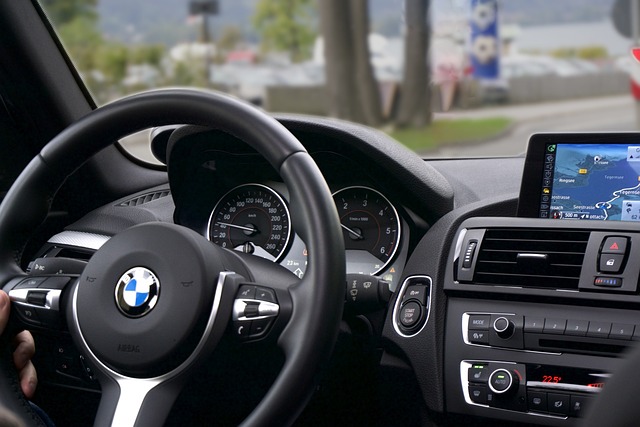
To complete the registration process in California, you’ll need to pay the required fees and receive your vehicle’s title. This involves several steps, including obtaining necessary documents, passing emission tests, and paying the registration fee. One crucial step in this process is ensuring the Vehicle Identification Number (VIN) is accurate and verified. Utilizing a mobile VIN inspection or a mobile VIN verifier can help streamline this process. These services, often provided by professional auto inspectors, allow you to confirm the VIN’s validity and history remotely, saving time and effort.
Once your VIN is verified, you’ll need to gather essential documents, such as the title, registration application, proof of insurance, and a valid driver’s license. It’s important to ensure all these documents are up-to-date and accurate. In California, the registration fee varies based on the type of vehicle and its emissions compliance. For instance, electric vehicles may have different fees than conventional gasoline-powered cars. It’s advisable to check the California Department of Motor Vehicles (DMV) website for the most current fee schedules.
After gathering all necessary documents and paying the registration fee, you can expect to receive your vehicle’s title. The DMV will process your application and issue a new registration, typically valid for a period of one to two years. During this time, it’s essential to maintain your vehicle’s registration and insurance status to avoid penalties or disruptions. If you opted for a mobile VIN verification service, you can rest assured that your vehicle’s history is accurately represented, enhancing the overall integrity of the registration process.
Registering a car in California involves several crucial steps, from gathering essential documents to ensuring your vehicle passes inspection using a VIN verifier. Accurately completing the registration application form and paying the required fees are vital to obtain your vehicle’s title. By following these detailed procedures outlined in this article, you’re not only guided through the process but also empowered to navigate the California Department of Motor Vehicles (DMV) efficiently. The key insights gained here serve as a reliable blueprint for successfully registering your vehicle, providing peace of mind and ensuring compliance with state regulations.