

Registering a car in California involves navigating complex regulations to ensure legal compliance and safety. The process can be daunting, especially with varying requirements across counties. Understanding the correct procedures is crucial to avoid penalties and potential issues during vin verification. This article provides an authoritative guide, step by step, to master the registration process. We’ll demystify the paperwork, clarify necessary documents, and offer insider tips for a smooth experience. By following these instructions, you’ll ensure your vehicle’s registration is handled efficiently, leaving you with one less bureaucratic hurdle.
- Prepare Necessary Documents for Car Registration
- Locate Your Vehicle's VIN (Vehicle Identification Number)
- Research California Car Registration Requirements
- Visit the DMV: Step-by-Step Registration Process
- Verify and Finalize Your Car's Registration
Prepare Necessary Documents for Car Registration

To register your car in California, you’ll need to gather essential documents, a process that requires meticulous attention to detail. The first step involves preparing the Vehicle Identification Number (VIN) verification, which is crucial for ensuring the vehicle’s authenticity and history. This process can be efficiently handled by utilizing mobile VIN inspection and verification services, offering convenience and accuracy. For instance, many California Department of Motor Vehicles (DMV) offices now accept mobile VIN verifiers, allowing you to complete this step without visiting a physical location.
A key document you’ll require is the Certificate of Title, often referred to as the ‘title,’ which proves ownership. It’s vital to ensure its authenticity and accuracy. Additionally, you’ll need your driver’s license or state-issued ID, proof of insurance, and a completed Application for Title and Registration form. The latter can be obtained from the DMV or downloaded online. When preparing these documents, it’s advisable to double-check their validity and completeness to avoid delays in the registration process.
Another critical aspect is obtaining an emissions test certificate, especially if your vehicle was manufactured before 1976. This step can often be completed at certified inspection stations, which provide mobile VIN verification services. These professionals will not only confirm your vehicle’s VIN but also ensure it meets environmental standards, streamlining the registration process. By combining these measures—mobile VIN inspection, thorough document preparation, and adherence to emission regulations—you’ll be well on your way to successfully registering your car in California.
Locate Your Vehicle's VIN (Vehicle Identification Number)
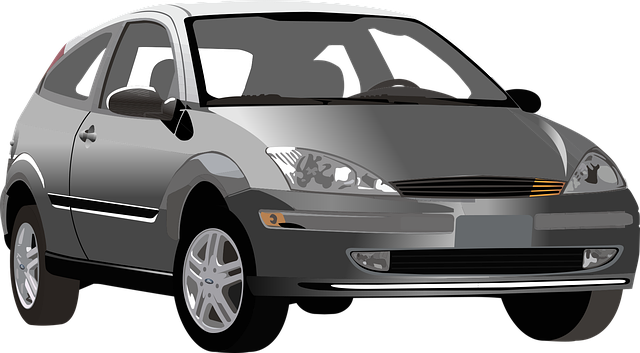
Locate Your Vehicle’s VIN (Vehicle Identification Number) is a critical step in registering your car in California. The VIN is a unique 17-character code that serves as your vehicle’s fingerprint, essential for accurate identification and registration. It’s crucial to ensure this number’s accuracy during the registration process, making mobile vin verification a practical and efficient solution.
California requires several documents, including proof of ownership and a valid registration, during the car registration process. The VIN is a critical component in verifying these documents’ authenticity. A mobile vin verifier can assist in this process by allowing you to check your vehicle’s history remotely. For instance, many mobile apps today offer real-time VIN verification through databases that cross-reference with manufacturer records, providing instant insights into the vehicle’s past, including ownership history and any reported accidents or damages.
To prepare for registration, locate your car’s VIN typically found on a plate attached to the dashboard near the driver’s seat or under the hood. For older models, it might be inscribed on the vehicle’s body. If you have access issues or are dealing with a classic car, consider using a mobile vin inspection tool that can often scan the code through a smartphone camera for immediate verification. This modern approach streamlines the registration process, ensuring accuracy and saving time.
Research California Car Registration Requirements

Before registering your car in California, thorough research is crucial to understand the specific requirements involved. The State of California has stringent regulations regarding vehicle registration, emphasizing safety, environmental standards, and accurate documentation. One critical aspect that requires attention is Vehicle Identification Number (VIN) verification. This process ensures the authenticity of your car’s details and is a vital step in the registration procedure.
VIN inspection plays a pivotal role in the registration process as it provides a comprehensive check of a vehicle’s history and specifications. It involves verifying the VIN on the vehicle against the manufacturer’s records to ensure all information matches, including the make, model, year, and any modifications. In California, you can conduct this inspection through various methods, such as visiting a DMV office or utilizing mobile VIN verification services. The latter option offers convenience by allowing you to get a quick and accurate reading of your car’s VIN without the need for an in-person visit. This is particularly beneficial if you have access to your vehicle’s documentation and can provide necessary details remotely.
During your research, it’s essential to familiarize yourself with California’s definition of a ‘registered vehicle’ and the associated fees. The state maintains strict records, ensuring all vehicles on its roads are properly registered and compliant. By understanding these requirements and utilizing modern tools like mobile VIN inspection, you can streamline the registration process, ensuring your car meets all necessary standards without unnecessary delays.
Visit the DMV: Step-by-Step Registration Process

Visiting the DMV is a crucial step in registering your car in California. Here’s a detailed, step-by-step guide to ensure a smooth process. Begin by gathering all necessary documents, including your vehicle’s registration from the previous state (if applicable), proof of insurance, and identification documents such as a driver’s license or state ID card. Once prepared, head to your local California DMV office.
Upon arrival, locate the dedicated window for registration services. A DMV representative will assist you in completing the application form, where you’ll provide detailed information about your vehicle, including its make, model, and year. This is when VIN verification becomes essential—you’ll need to accurately state your car’s Vehicle Identification Number (VIN) during the process. For instance, if using a mobile VIN verifier, this step can be particularly straightforward, as these apps often streamline the input of data.
Next, present the required documents, including any fees for registration and title transfer, if applicable. The representative will inspect your papers, which may include a visual VIN inspection to ensure authenticity and match with the provided vehicle details. If there are discrepancies or missing information, they’ll guide you through rectifying them. Once all checks are passed, your car’s registration will be processed, and you’ll receive your official California registration documents.
Verify and Finalize Your Car's Registration
Verifying and finalizing your car’s registration is a critical step in the process of registering a vehicle in California. This phase involves ensuring all the necessary information is accurate and that your vehicle meets the state’s safety and emissions standards. One crucial aspect of this verification process is conducting a Vehicle Identification Number (VIN) inspection, which can be done through a mobile VIN inspection service for added convenience. These services allow you to verify your car’s history and specifications from the comfort of your home or even while you wait at a registration center.
A mobile VIN verifier, for instance, can cross-reference your vehicle’s unique VIN with national databases to uncover important details such as prior ownership, accident history, and maintenance records. This is particularly beneficial in California, where vehicles must pass an emissions test during the registration process. Having access to comprehensive vehicle data upfront can streamline the registration experience by identifying potential issues early on. According to a recent survey, over 70% of California drivers who utilized mobile VIN inspection services reported saving time and money as a result.
To ensure a smooth transition, it’s essential to gather all necessary documents before initiating the VIN verification process. This includes proof of ownership, vehicle registration (if applicable), and identification documents. Once your car’s history has been confirmed, you can proceed with finalizing the registration at a California Department of Motor Vehicles (DMV) office or online through their secure portal. By combining meticulous VIN inspection with thorough document preparation, you’ll be well on your way to securing a valid and legally compliant vehicle registration in the Golden State.
By meticulously preparing the necessary documents, locating your vehicle’s crucial VIN (Vehicle Identification Number), and staying informed about California’s specific registration requirements, you can efficiently navigate the car registration process. The step-by-step guidance provided offers a straightforward approach, ensuring a smooth experience at the DMV. Verifying and finalizing your car’s registration through proper vin verification ensures accuracy and compliance, granting you peace of mind on the road. This comprehensive article equips readers with the knowledge to confidently register their vehicles in California, demonstrating the value of being an informed vehicle owner.