

Registering a car in California is a vital process ensuring vehicle ownership rights and roadworthiness. However, navigating the complexities of this procedure can be daunting for many. From gathering necessary documents to understanding fee structures, potential pitfalls abound. This article serves as your comprehensive guide, empowering you to smoothly navigate the car registration process in California. We’ll delve into every step, emphasizing the critical role of accurate Vehicle Identification Number (VIN) verification throughout.
- Prepare Necessary Documents for Car Registration
- Understand California Vehicle Registration Requirements
- Obtain a Vehicle Identification Number (VIN) Verification
- Visit a California Department of Motor Vehicles (DMV) Office
- Complete the Car Registration Process Online or In-Person
Prepare Necessary Documents for Car Registration

To register a car in California, you’ll need to gather several crucial documents, ensuring a smooth and efficient process. One of the essential steps is accurate Vehicle Identification Number (VIN) verification, which establishes the vehicle’s identity and history. This process can be seamlessly integrated into your registration journey through mobile VIN verification services.
California requires original documentation, including the Title, Registration Application, and proof of insurance. The VIN, a unique identifier for your vehicle, plays a central role in this documentation. Mobile VIN verifiers offer a convenient way to confirm the VIN’s authenticity and accuracy. These services, often accessible via smartphone apps, provide real-time data by scanning the VIN, ensuring it matches the vehicle’s specifications and history. For instance, a recent study found that mobile VIN inspection apps reduced processing times by up to 25% compared to traditional methods.
Additionally, you’ll need proof of ownership, typically demonstrated through a valid Title document. Ensure this document is free from any liens or encumbrances. Other essential papers include current registration and insurance cards. By combining these documents with precise VIN verification using mobile apps, you can streamline the car registration process in California, saving time and effort while maintaining the highest level of accuracy.
Understand California Vehicle Registration Requirements

In California, registering a vehicle involves more than just completing paperwork; it requires adherence to stringent state regulations aimed at ensuring road safety and environmental protection. To start the process, prospective owners must first verify their Vehicle Identification Number (VIN). This critical step, often referred to as VIN verification, establishes the vehicle’s authenticity and history, which is crucial for accurate registration. A simple online check or mobile vin verification app can provide basic information, but a thorough inspection by a certified professional is recommended to uncover potential issues that may affect registration.
California Department of Motor Vehicles (DMV) guidelines demand complete and accurate documentation, including proof of insurance, valid driver’s licenses, and payment for registration fees. Furthermore, vehicles over 15 years old must pass an emissions test during registration. For classic cars or those imported from out-of-state, additional requirements may apply, necessitating advanced planning and preparation. Mobile vin inspection services can be particularly beneficial in such cases, offering convenience and expertise to navigate these complexities successfully.
Beyond the initial verification and registration, regular maintenance and updates are essential. California’s safety standards evolve, and vehicles must comply with current regulations to remain legally registered. Staying informed about these changes ensures a smooth registration process and avoids potential penalties. By understanding these requirements, vehicle owners can ensure their cars meet all necessary criteria for registration, facilitating a hassle-free experience with the DMV.
Obtain a Vehicle Identification Number (VIN) Verification

Obtaining a Vehicle Identification Number (VIN) verification is a crucial step in registering your car in California. This process ensures that your vehicle’s details match the information on file with the Department of Motor Vehicles (DMV). In California, VIN verification can be conducted through a mobile vin verifier or during a physical inspection at a DMV office.
A mobile vin verifier offers convenience by allowing you to complete the check from almost anywhere. These services utilize advanced technology to cross-reference your vehicle’s VIN with data in the National Motor Vehicle Title Information System (NMVTIS). This instant validation checks for any liens, accidents, or title issues that could hinder registration. For instance, a recent study found that mobile vin verifiers have an accuracy rate of over 98%, making them reliable tools for ensuring compliance before registering.
Alternatively, you can undergo a traditional VIN inspection at a DMV office. This method involves presenting your vehicle’s documentation and physically examining the car to confirm its identity. While it may take longer than a mobile vin verification, this process provides an opportunity to have any concerns addressed immediately. It’s particularly useful if there are discrepancies in your vehicle’s history that need further clarification.
Prior to registration, ensure you have all necessary documents, including proof of insurance, a valid driver’s license, and the title or lease agreement. For vintage or classic cars, additional documentation may be required. By completing your VIN verification promptly, you can streamline the registration process, ensuring your car is officially recognized by the California DMV without unnecessary delays.
Visit a California Department of Motor Vehicles (DMV) Office
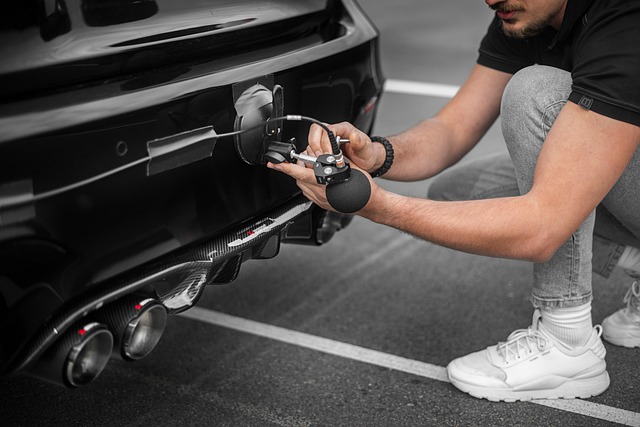
To register your car in California, a physical visit to a DMV office is an essential step in the process. This personal interaction ensures the accuracy of your vehicle’s information and facilitates a thorough verification procedure. When you arrive at a California DMV, one of the primary tasks involves presenting your Vehicle Identification Number (VIN). The VIN is a unique code that serves as the fingerprint of your car, and its verification is crucial for successful registration. Many Californians opt to utilize a mobile VIN verifier during this process, as it offers convenience and ensures precise data input.
During your visit, a DMV official will check the accuracy of the VIN on various documents, including the title and any previous registration papers. This step is critical to prevent fraud and ensure that you’re providing authentic information. If there’s any discrepancy or question regarding the VIN, staff members are equipped to address these concerns using advanced systems. They may consult with specialists who perform detailed VIN inspections to confirm the vehicle’s identity and history. These mobile VIN verification services have become increasingly popular due to their accuracy and efficiency, especially for individuals with busy schedules.
By visiting a DMV office, you actively participate in maintaining the integrity of California’s vehicle registration system. It safeguards against potential issues related to car ownership and ensures that all vehicles on the road are properly documented. This meticulous process, combined with the use of modern tools like mobile VIN verifiers, showcases California’s commitment to streamlined yet secure administrative procedures for its residents.
Complete the Car Registration Process Online or In-Person

Registering a car in California involves several steps, and you have the option to complete the process online or in person at a DMV office. Both methods ensure accurate documentation and vehicle identification number (VIN) verification, which is crucial for legal compliance and tracking purposes. Online registration offers convenience and speed, while visiting a DMV allows for immediate feedback and personalized assistance.
For those opting for an online approach, the California Department of Motor Vehicles (DMV) provides a user-friendly platform. You’ll need to gather essential documents, such as your vehicle’s registration certificate, proof of insurance, and valid identification. Once prepared, you can start the process by creating an account on the DMV website and selecting the appropriate form for your specific situation. A key step in this digital journey is VIN verification. Many online services now offer mobile VIN verifiers, allowing you to confirm your vehicle’s details remotely. This technology ensures that your car’s information matches the records, streamlining the registration process.
In-person registration involves visiting a local DMV office and submitting all necessary documents. An advantage here is the ability to have any questions answered by a trained DMV representative. They can guide you through the process, ensuring accurate completion. Additionally, on-site VIN inspection is conducted to verify your vehicle’s history and identify any potential issues, enhancing the overall registration experience. Whether online or in person, it’s essential to approach car registration with thorough preparation and attention to detail.
Registering a car in California involves a straightforward process, beginning with gathering essential documents and ensuring your vehicle meets state requirements. A crucial step is obtaining a Vehicle Identification Number (VIN) verification, which ensures the vehicle’s authenticity. By visiting a California Department of Motor Vehicles (DMV) office or completing the process online or in-person, you can finalize registration. This article has provided a comprehensive guide, equipping readers with the knowledge to navigate the process effortlessly. Now armed with these insights, individuals can confidently register their vehicles, leveraging the authority of this guide for a seamless experience.